Share the space
Send photos, approximate dimensions, location type and what you want the surface to achieve.
Pingendi turns a real space, a communication objective and approved artwork into a controlled on-site production plan — with the surface, access and finish considered before printing begins.
The visual is only one part of the job. We assess the site, surface, access, scale and intended use so the production method is built around the real environment.
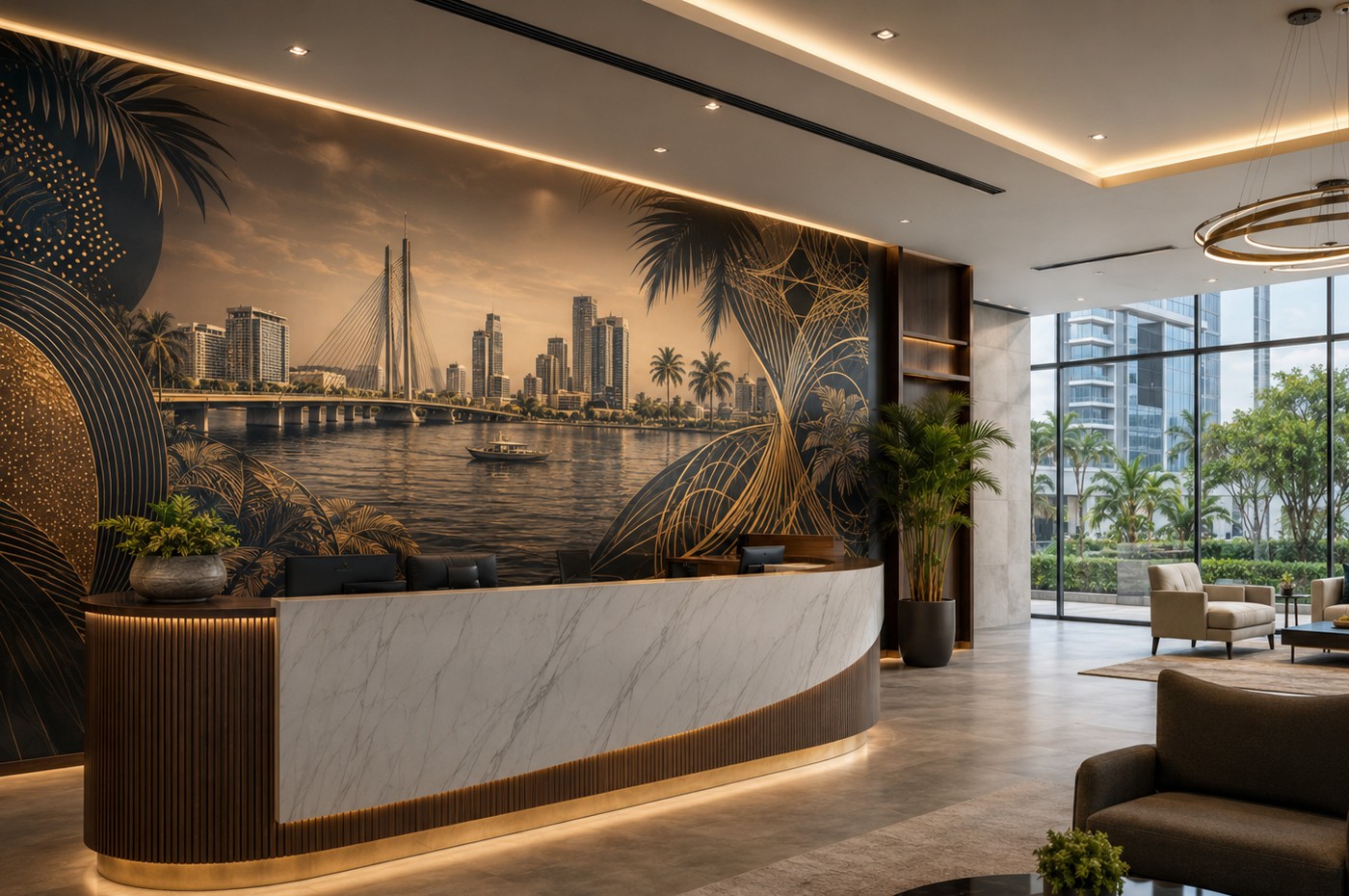
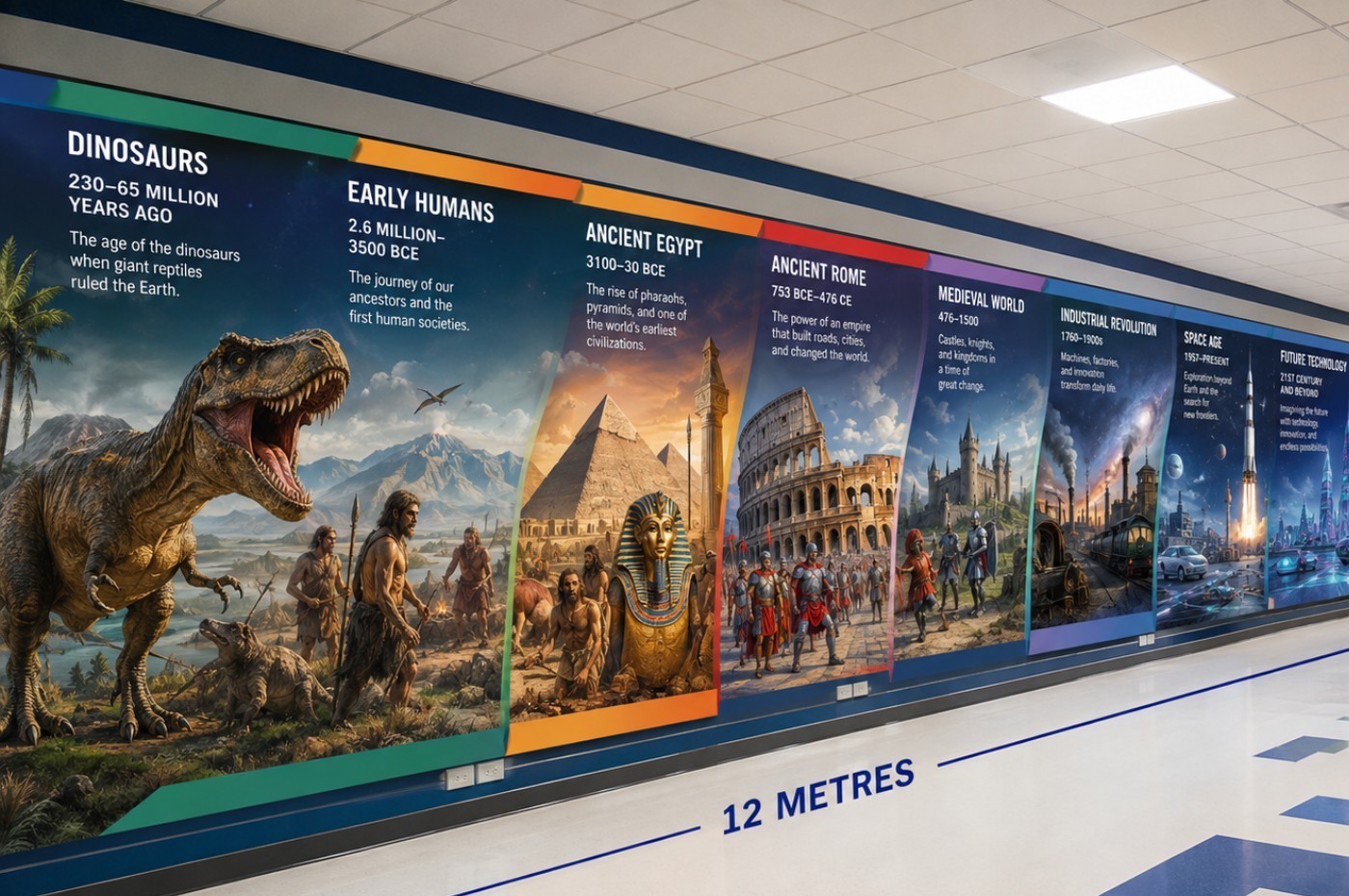
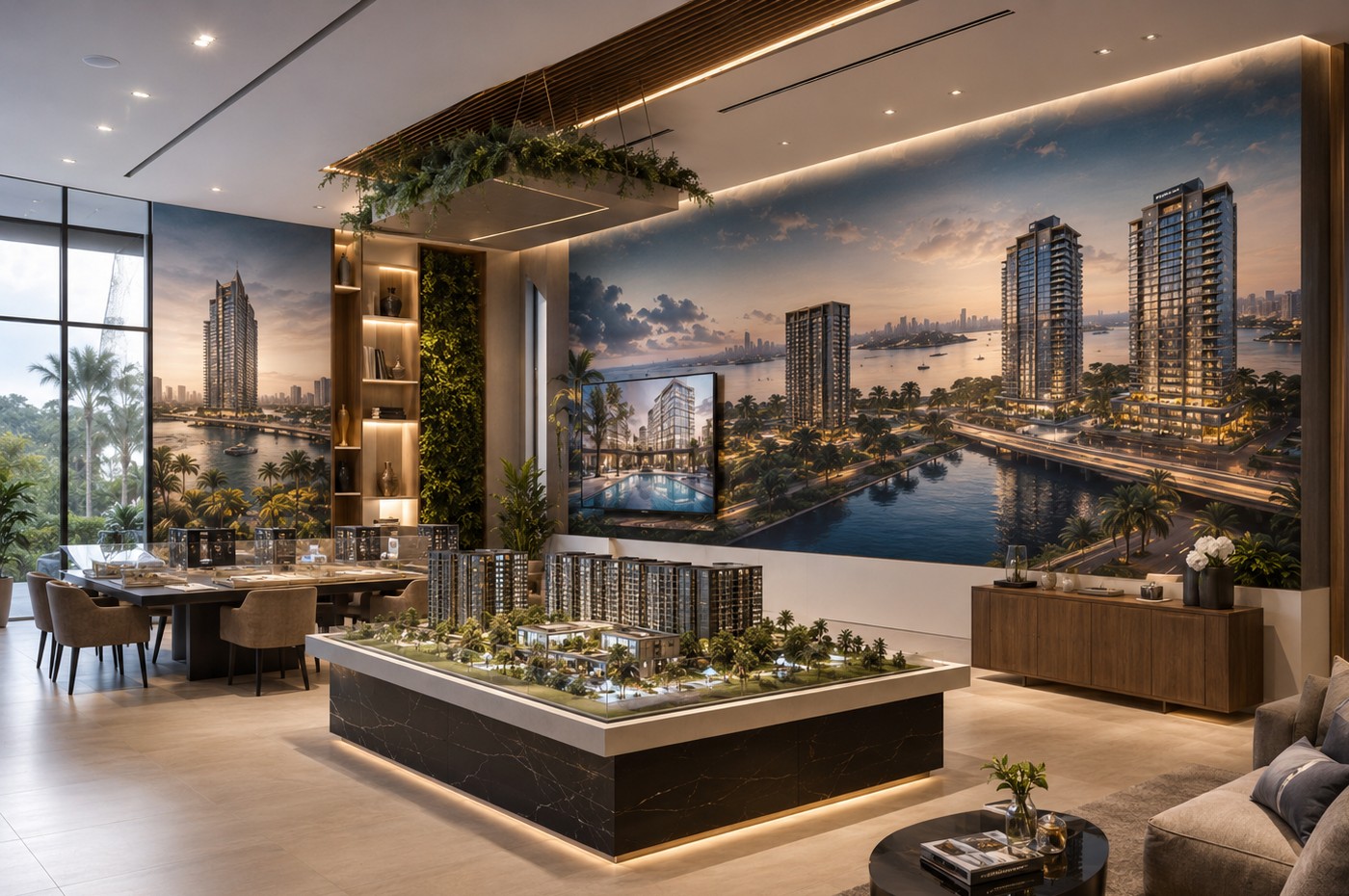
Not every project needs the same treatment, but the decision sequence stays disciplined from first photo to final review.
Send photos, approximate dimensions, location type and what you want the surface to achieve.
We review material, texture, access, exposure, surface condition and likely production constraints.
We translate the brief into a visual direction using the actual environment wherever possible.
Approved artwork is scaled, checked and prepared for the final wall, floor or selected rigid surface.
Access, working area, protection, sequence and practical installation conditions are confirmed.
Position, scale, printable distance, alignment, colour and white-ink strategy are checked for the approved surface.
The approved graphic is printed directly onto the prepared surface using the project-specific configuration.
Alignment, coverage, edges, colour and overall finish are inspected before handover.
Where needed, we specify suitable finishing, protection and cleaning guidance for the environment and use.
Artwork complexity, surface texture, white-ink coverage, viewing distance, traffic, exposure and access all influence how the job is specified.
Painted plaster, concrete, glass, acrylic, wood, tile, metal, floors and other suitable prepared materials behave differently.
Indoor, outdoor, public, private, high-traffic and controlled environments require different planning.
Fine typography, photography, solid colour, gradients and white layers can require different production settings.
The required visual result, cleaning expectations and protection needs determine the final specification.
You do not need technical knowledge. Four pieces of information are enough to start the conversation.
One straight-on photo plus one wider image showing the surrounding space and access.
Approximate width and height, or the overall floor area if the project is horizontal.
Indoor or outdoor, the type of space, surface material if known, and any access limitations.
Branding, décor, learning, wayfinding, campaign, event, property, public information or another goal.
Direct-to-surface production happens in the real environment. That means practical details matter: clear working access, suitable conditions, protected surroundings, agreed artwork and a surface that has been assessed for the intended finish.
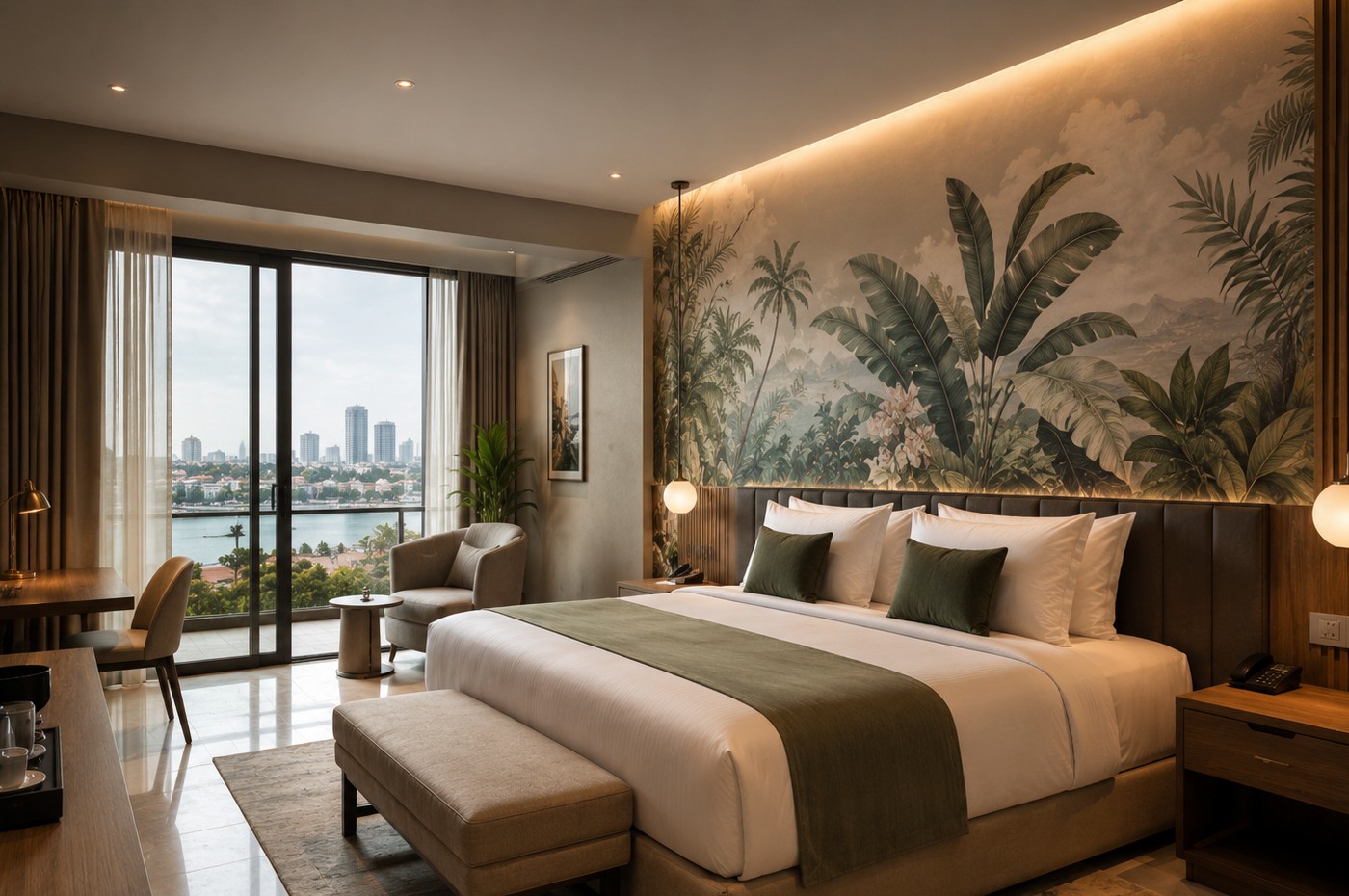
A photo, dimensions and a short brief are enough to begin a concept and suitability review.