Guide
Directional routes, arrows, destination markers and circulation systems for entrances, corridors, queues and large spaces.
Direct-to-floor graphics for wayfinding, campaigns, learning environments, hospitality, events, workplaces and private spaces — planned around the real surface and how people use it.
Floor graphics work best when they have a clear job. We map the communication objective, traffic pattern, substrate and finish requirements before deciding how the artwork should occupy the space.
The strongest floor projects are not decoration for decoration’s sake. Each zone should support movement, communication, learning, promotion or atmosphere.
Directional routes, arrows, destination markers and circulation systems for entrances, corridors, queues and large spaces.
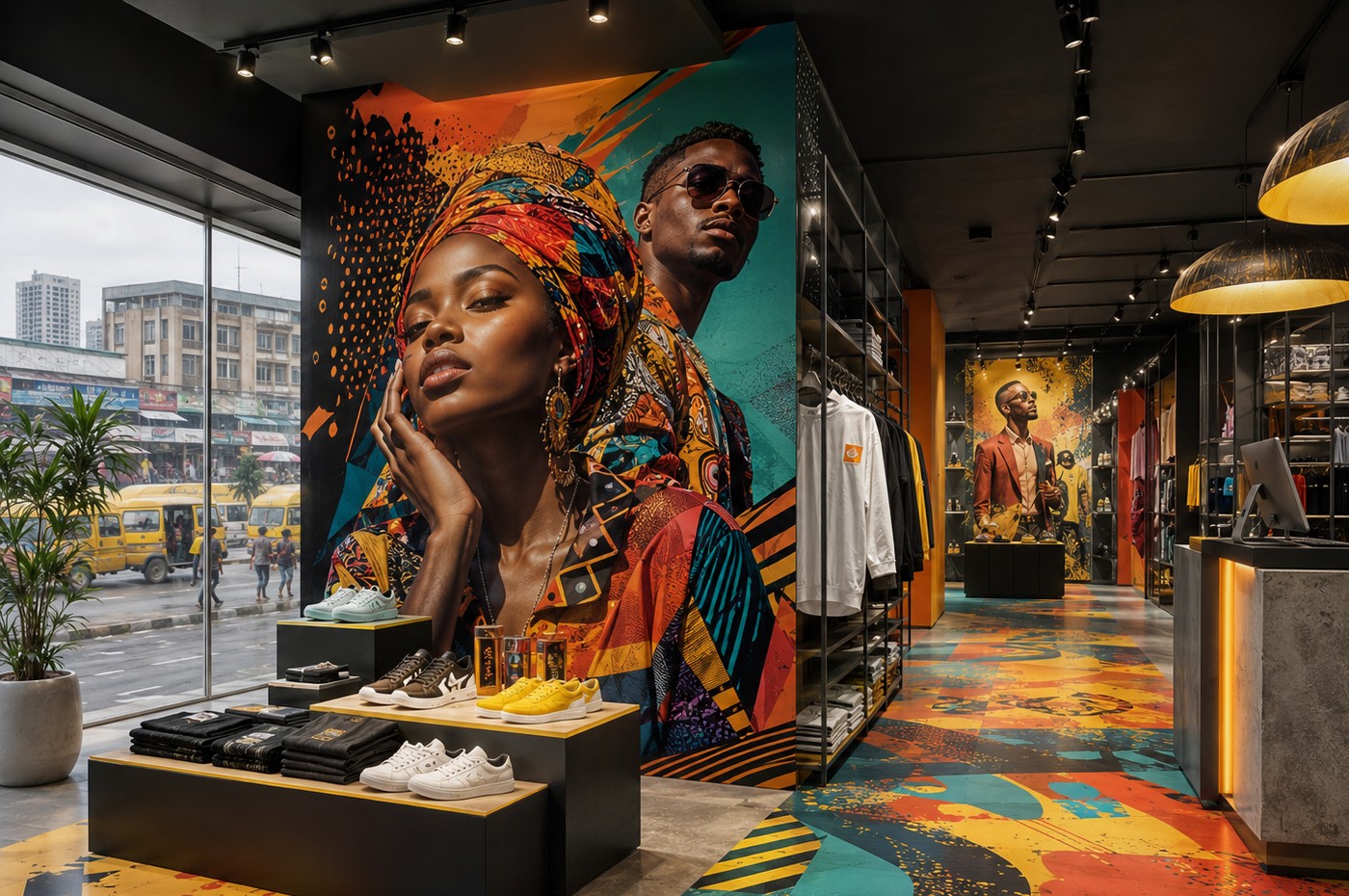
Retail campaigns, launches, product zones and event graphics that extend a message beyond walls and displays.
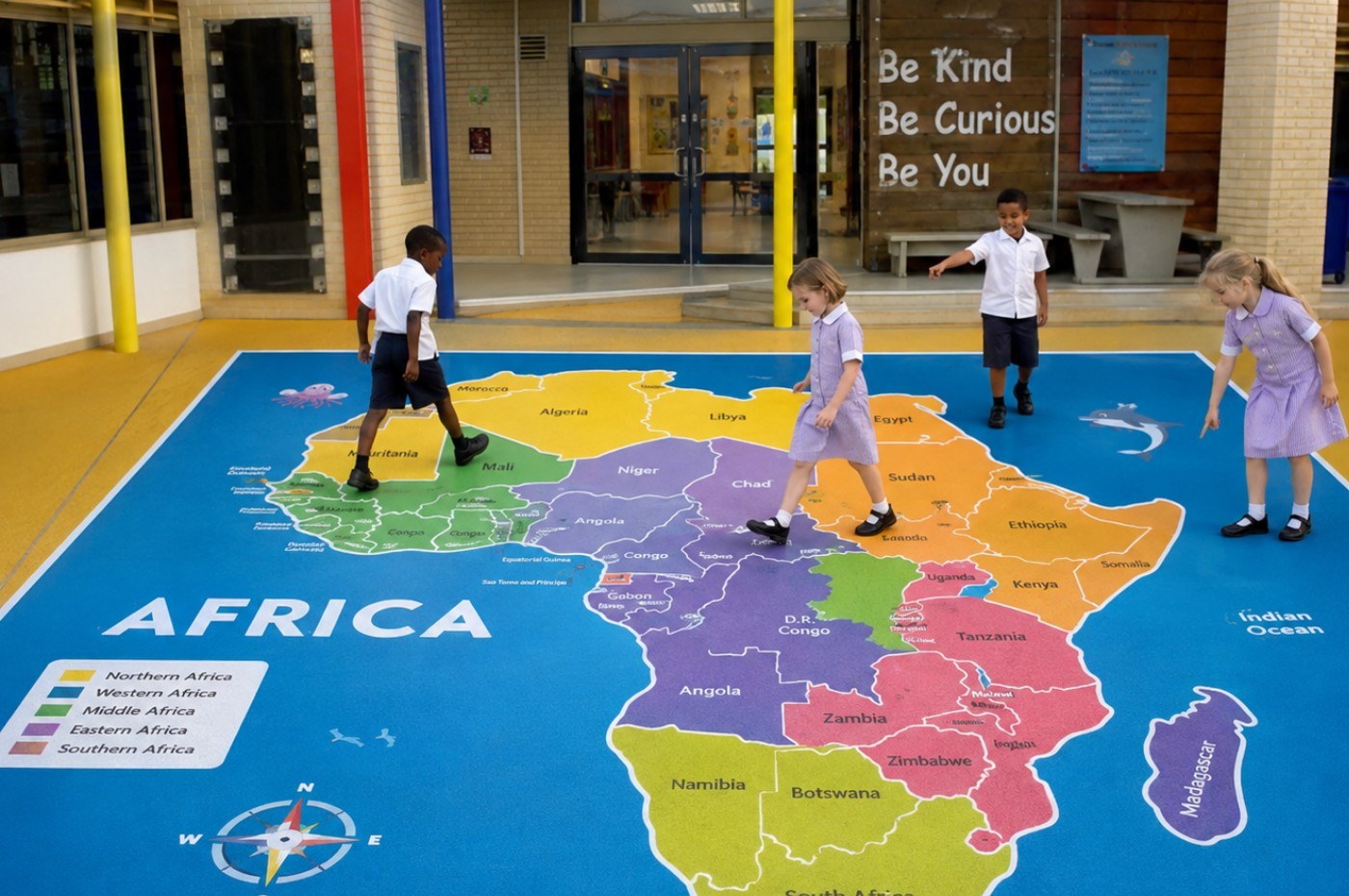
Maps, number paths, activity zones and interactive learning graphics that make the floor part of the lesson.
Clear visual territories for gyms, workplaces, events, queues, exhibitions and other spaces with distinct functions.
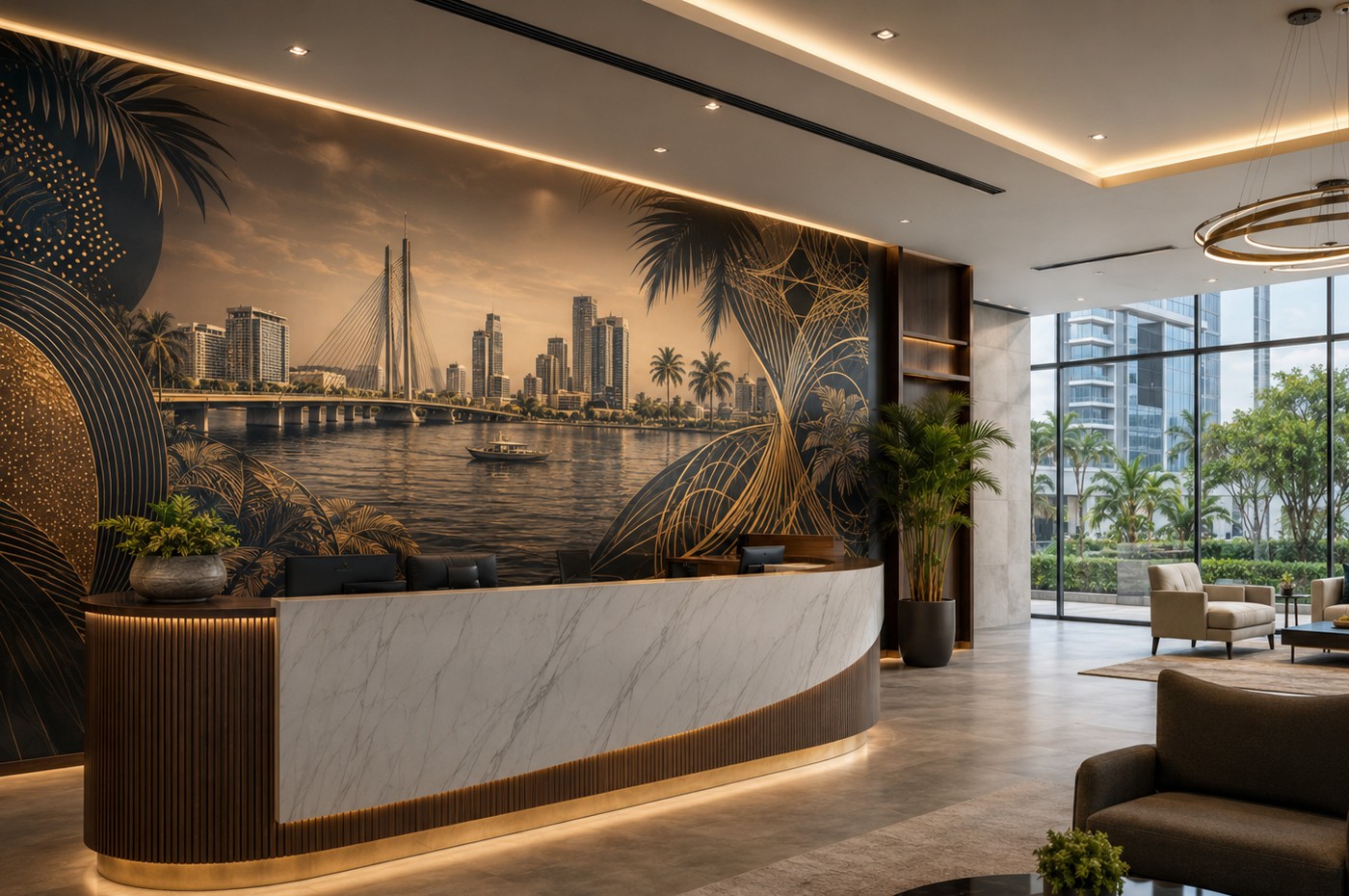
Arrival graphics, lobby statements and branded thresholds that create an immediate sense of place.
Decorative compositions and immersive floor treatments that change the character of a room or route.
Retail, public space, education and hospitality can all use the floor differently. The graphic system should respond to the audience, traffic and surrounding architecture.
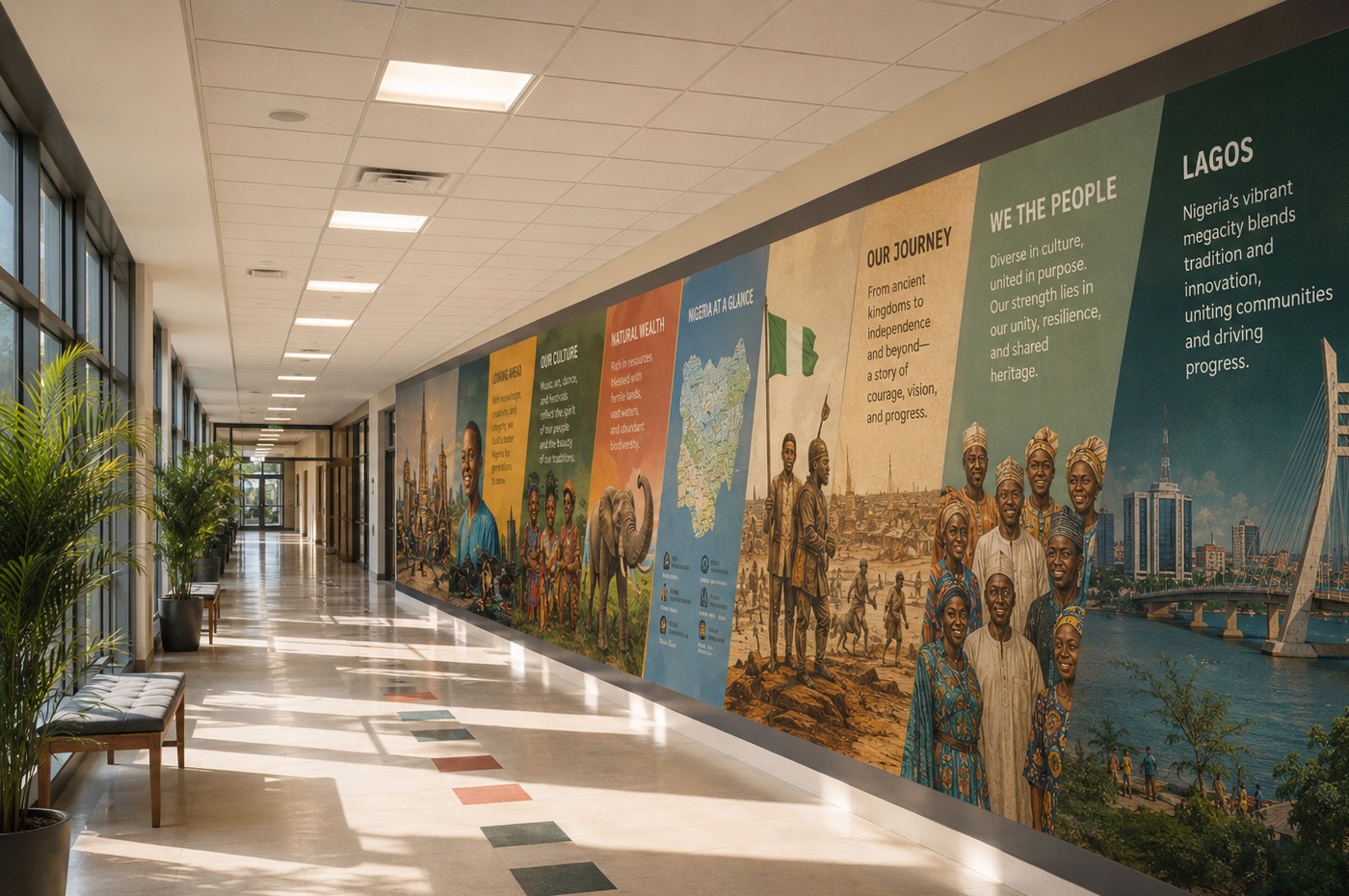
A floor project has different practical demands from a wall. Surface condition, coatings, porosity, cleaning, foot traffic and slip considerations all influence the production and protection strategy.
Material, coating, flatness, contamination, access, traffic and cleaning conditions are reviewed first.
We identify entrances, routes, stopping points, sightlines and the places where the floor should communicate.
Artwork, colour, preparation and any required protective finish are matched to the approved surface and use case.
The approved graphic is produced on site, cured during production and finished according to the project specification.
Commercial, educational, directional, decorative or experiential — depending on the real environment.
A photo, rough dimensions and a short description of the traffic and objective are enough to begin a concept direction.